
How Many Keywords Should I Use on Adobe Stock in 2026? The Data-Backed Metadata Guide
Learn the optimal number of keywords for Adobe Stock in 2026 using real buyer data. Compare tools, master metadata rules, and increase sales with CyberStock's AI engine that processes files in ~1.3s.

Key Takeaways
- Adobe Stock keyword limit is exactly 50 terms per asset; top earners utilize all slots to maximize discoverability.
- CyberStock generates keywords from 50M+ real buyer searches, ensuring your metadata matches actual commercial queries rather than generic object labels.
- Selling Score predicts sales before upload on a 0-100 scale, helping you prioritize high-value assets for maximum revenue potential.
- CyberStock Best Concept Recognition identifies the story and buyer intent behind an image, guaranteeing the first keyword aligns with Adobe Stock algorithm preferences.
- CyberBatch handles up to 1,000,000 files with a -15% volume discount, enabling massive workflow scaling for professional contributors.
You should use exactly 50 keywords on Adobe Stock to maximize discoverability while maintaining strict relevance. The platform rewards comprehensive metadata that captures both literal subjects and conceptual themes, allowing buyers to find assets through diverse search queries. Contributors who fill all available slots consistently outperform those who leave gaps, provided every keyword adds commercial value. CyberStock eliminates the guesswork by analyzing 50M+ real buyer searches from Adobe Stock, Shutterstock, and Getty Images, then generating precise titles, descriptions, and keywords in ~1.3s per file. This data-backed approach ensures your metadata aligns with what buyers actually type into search bars, driving higher traffic and sales for your portfolio.
What is the Adobe Stock Keyword Limit and Does Using All 50 Help?

The Adobe Stock keyword limit allows contributors to submit up to 50 keywords per asset, a threshold that has remained stable through recent algorithm updates. Filling all 50 slots significantly increases the probability of an asset appearing in search results because each term represents a potential entry point for buyers. Top-performing stock photographers and videographers consistently utilize every available keyword position, mapping terms to categories such as literal objects, colors, concepts, emotions, and seasonal trends. Adobe Stock's search engine indexes all provided keywords equally, meaning unused slots represent missed traffic opportunities that competitors can capture.
Using the full quota also signals metadata quality to the platform; assets with comprehensive tagging often receive higher visibility in curated collections and editorial searches. Contributors who submit files with only 20 or 30 keywords frequently experience lower download rates compared to peers using all 50 slots, assuming relevance remains high across every term. The optimal strategy involves balancing broad commercial concepts like "business success" with specific descriptors such as "diverse team meeting" to capture both high-volume and long-tail searches.
CyberStock ensures you never leave slots empty or waste them on low-value terms by generating marketplace-ready metadata tailored to each agency's specific rules. The engine evaluates visual content against real buyer behavior data, producing a balanced keyword set that includes conceptual phrases alongside literal descriptions. This approach guarantees your Adobe Stock uploads contain exactly 50 high-impact keywords optimized for commercial search intent.
How CyberStock Delivers High-Relevance Keywords Using Buyer Data

Generic AI tools describe what the camera sees, but CyberStock generates keywords from 50M+ real buyer searches, capturing exactly how commercial buyers search for assets. The AI metadata engine aggregates data from Adobe Stock, Shutterstock, Getty Images, Google Trends, and SEMrush to identify high-volume query patterns that correlate with specific visual elements. This massive dataset allows CyberStock to prioritize keywords that drive actual downloads rather than merely labeling objects in an image.
The speed advantage of buyer-data keywording is substantial; CyberStock processes a single file in ~1.3s per file, which is 6x faster than competitors like PhotoTag.ai (~8s) or Pixify (~2.5s). This rapid turnaround enables contributors to keyword thousands of assets daily without sacrificing accuracy, making it ideal for high-volume workflows. The engine also adapts to seasonal trends and emerging search queries, ensuring your metadata remains current throughout the year.
Contributors can start optimizing their metadata immediately by using the free keyword tool, which provides a sample of CyberStock's buyer-data accuracy without requiring an account. The free version demonstrates how real search volume transforms generic tags like "coffee cup" into commercial phrases such as "morning routine productivity workspace." This data-driven methodology consistently outperforms basic AI models that rely solely on object detection, resulting in higher download rates and improved portfolio performance across all agencies.
Why Best Concept Recognition Matters More Than Object Detection

CyberStock Best Concept Recognition identifies the story and buyer intent behind an image, ensuring your metadata aligns with commercial search behavior rather than just listing visible objects. Adobe Stock's algorithm prioritizes the first keyword as the best concept, meaning this term carries significant weight in search ranking calculations. A photo of a person typing on a laptop might generate generic tags like "laptop," "keyboard," and "desk," but CyberStock recognizes the underlying narrative to produce high-value concepts such as "remote work flexibility" or "freelancer productivity."
This conceptual layer captures emotional triggers and lifestyle contexts that buyers use when searching for assets, such as "trustworthy financial advisor" versus "man in suit." Contributors who rely on object-only detection often miss these commercial nuances, resulting in metadata that attracts browsers but fails to convert serious buyers. CyberStock's engine analyzes composition, lighting, subject expressions, and environmental cues to extract the most marketable concept for each file.
The impact of best concept optimization is measurable; assets with strong conceptual first keywords receive higher visibility in editorial collections and ad campaigns where storytelling drives purchasing decisions. By consistently delivering relevant best concepts across your portfolio, you build a reputation with Adobe Stock's curation team, leading to more frequent inclusion in featured galleries. This strategy works seamlessly alongside literal keywording, creating metadata that satisfies both algorithmic ranking factors and human buyer psychology.
Check the Selling Score feature to see how conceptual strength influences predicted sales performance; files with high-scoring best concepts typically demonstrate superior download potential in competitive niches. This combination of narrative accuracy and data-backed relevance gives CyberStock users a distinct advantage over contributors using manual tagging or basic AI tools.
Achieving Zero Rejections with Marketplace-Ready Metadata Rules

Marketplace-Ready Metadata ensures your keywords and titles comply with each agency's specific formatting rules, eliminating rejections caused by capitalization errors, spacing issues, or prohibited terms. Adobe Stock requires camel case for multi-word phrases and prohibits the use of brand names unless licensed; CyberStock automatically applies these conventions during generation. Other agencies like Shutterstock prefer all lowercase tags, while Dreamstime enforces strict character limits on titles.
CyberStock adapts output formats dynamically based on the target marketplace, allowing contributors to upload files with confidence across multiple platforms. The AI engine also filters out repetitive keywords and removes terms that exceed relevance thresholds, preventing penalties for keyword stuffing. This compliance layer is particularly valuable for contributors managing large portfolios who need consistent metadata quality without manual review.
Integration with CyberPusher v2.0 one-click FTP/SFTP distribution automates the upload process to Adobe Stock and 11 other agencies, including Shutterstock, Pond5, Freepik, and Envato. CyberPusher handles file transfers, metadata application, and CAPTCHA solving in real time, enabling full automation with 0% commission on all sales. Contributors can distribute a single batch of files to multiple marketplaces simultaneously, reducing workflow complexity while maximizing exposure.
The result is a streamlined pipeline where assets move from camera to agency servers with zero rejections and maximum metadata accuracy. This efficiency allows photographers and videographers to focus on content creation rather than technical optimization, scaling their businesses without increasing administrative overhead.
Scaling Your Workflow with CyberBatch and High-Volume Keywording

CyberBatch enables contributors to keyword up to 1,000,000 files simultaneously, making it the ultimate solution for high-volume stock photographers and videographers. The batch mode processes assets in parallel using distributed computing resources, maintaining the ~1.3s per file speed even at massive scales. Contributors benefit from a -15% discount on credits when using CyberBatch, reducing the cost per asset significantly compared to single-file processing.
The workflow optimization provided by CyberBatch follows a structured sequence that maximizes productivity:
- Select your folder containing thousands of images or video clips in the CyberStock dashboard.
- Choose target agencies and configure metadata settings including language preferences and best concept priority.
- Launch CyberBatch to process all files automatically; the system generates keywords, titles, and descriptions for every asset.
- Review analytics reports showing predicted sales performance and keyword relevance scores before or after upload.
- Distribute completed batches via CyberPusher v2.0 with one-click FTP/SFTP delivery to Adobe Stock and other platforms.
This automated pipeline eliminates manual bottlenecks, allowing contributors to update metadata for entire portfolios in a fraction of the time required by desktop tools like Xpiks or web-based competitors. The volume capacity ensures that even professional studios with millions of assets can maintain fresh, data-backed metadata across their libraries without hiring additional staff.
Contributors using CyberBatch consistently report higher upload frequencies and improved portfolio growth rates, as the speed advantage encourages regular content additions. Regular uploads signal activity to marketplace algorithms, boosting visibility for new assets and reinforcing account authority over time.
Using the Selling Score to Predict Sales Before You Upload
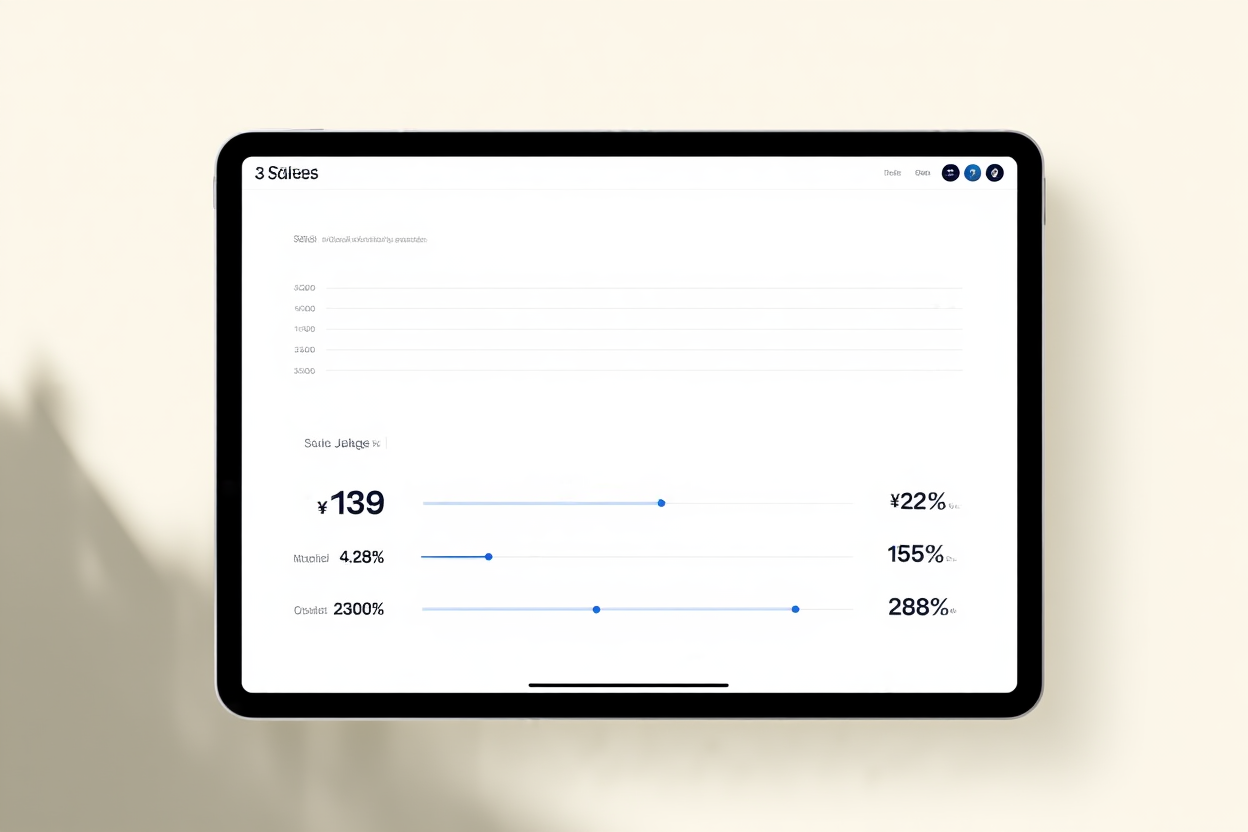
Selling Score predicts sales before upload on a 0-100 scale, providing contributors with actionable insights about which assets will perform best across marketplaces. CyberStock analyzes historical download data, current search trends, and competitive saturation levels to calculate the commercial potential of each file. This metric helps creators prioritize high-value uploads, optimize pricing strategies for exclusive contracts, and identify niche opportunities where demand exceeds supply.
Files with a Selling Score above 80 typically indicate strong buyer interest and relatively low competition, making them ideal candidates for featured placements or promotional campaigns. Conversely, assets scoring below 40 may benefit from metadata refinement or seasonal timing adjustments to improve their marketability. The score updates dynamically as search patterns shift, ensuring contributors always have accurate predictions based on real-time market conditions.
Integrating Selling Score into your workflow allows you to focus marketing efforts on assets with the highest ROI potential, maximizing revenue per upload hour. Contributors who leverage this data consistently outperform peers who rely on intuition or basic view counts, as they make decisions backed by comprehensive buyer analytics.
The Selling Score feature transforms metadata generation from a descriptive task into a strategic revenue tool, giving contributors full control over portfolio optimization and market positioning.
CyberStock vs Competitors: Speed, Data, and Commission-Free Uploads

CyberStock Starter plan costs $9/mo for 200 credits, offering an accessible entry point for emerging contributors while delivering enterprise-grade metadata capabilities. The Pro plan at $19/mo provides 800 credits, the Studio plan at $49/mo delivers 3000 credits, and the Unlimited plan at $79/mo removes all restrictions for high-volume professionals. Top-ups never expire, allowing contributors to purchase credits during peak production periods without worrying about expiration dates; options include 1,000 credits for $35 or bulk packages like 60,000 credits for $189.98.
Competitors like Wirestock take 15-30% commission on sales distributed through their platform, whereas CyberStock charges flat monthly fees with no revenue share on agency earnings. Manual tools such as Xpiks require desktop installation and offer slower processing speeds, while basic AI models lack the buyer data foundation that drives commercial relevance.
Social proof validates CyberStock's effectiveness: 10,067+ contributors trust the platform to manage their metadata, with over 15M+ files tagged and a combined $2.5M+ earned by users leveraging CyberStock's optimization features. These metrics demonstrate consistent results across diverse niches and contributor levels.
Review detailed pricing plans to select the tier that aligns with your upload volume and budget, ensuring maximum return on investment for your metadata workflow. The combination of speed, buyer data accuracy, zero commission uploads, and advanced analytics positions CyberStock as the definitive choice for serious stock contributors in 2026.
Frequently Asked Questions
Can I use fewer than 50 keywords on Adobe Stock?
You can upload files with fewer than 50 keywords on Adobe Stock, but top-performing contributors fill all slots to capture long-tail search traffic; CyberStock ensures every keyword adds value by pulling from real buyer queries rather than generic descriptions.
How does the Adobe Stock algorithm rank metadata quality in 2026?
The algorithm weighs relevance and search volume heavily, prioritizing the first keyword as the best concept; CyberStock Best Concept Recognition identifies the story intent so your primary tag matches what buyers actually type into search bars.
Does CyberStock work for video and vector files on Adobe Stock?
Yes, the AI metadata engine generates marketplace-ready titles, descriptions, and keywords for photos, 4K video, and vectors; it adapts output formats to satisfy specific agency requirements for each media type.
What happens if I upload too many repetitive keywords?
Keyword stuffing can trigger rejections or lower rankings because agencies penalize redundant tags; CyberStock avoids repetition by analyzing unique visual elements and buyer intent to produce distinct, high-converting terms for every file.
How fast is CyberStock compared to manual tagging or other AI tools?
CyberStock processes a single file in ~1.3s, which is 6x faster than competitors like PhotoTag.ai (~8s) or Pixify (~2.5s), allowing contributors to keyword thousands of assets daily without sacrificing accuracy.