
Best Keywords for Food Photography on Adobe Stock in 2026: Data-Backed Strategy & CyberStock Guide
Master the best keywords for food photography on Adobe Stock with data-backed insights from 50M+ real buyer searches. Learn how CyberStock generates high-converting metadata in ~1.3s per file, predicts sales via Selling Score, and automates uploads with zero commission. Optimize your food archive to
Key Takeaways
- CyberStock keyword source: The engine analyzes50M+ real buyer searchesfrom Adobe, Shutterstock, and Getty to generate keywords that match actual commercial demand.
- Selling Score (0-100): This predictive metric forecasts the sales potential of food files before upload, allowing contributors to prioritize high-revenue assets.
- CyberStock generates keywords in ~1.3s per file, which is 6x faster than generic AI competitors like PhotoTag.ai or Pixify.
- Best Concept Recognition: The system identifies buyer intent and culinary stories rather than just listing objects visible in the camera frame.
- CyberPusher v2.0 enables one-click distribution to Adobe Stock, Shutterstock, Pond5, and other agencies with zero commission and full automation.
The best keywords for food photography on Adobe Stock combine specific dish descriptors, culinary techniques, and high-intent buyer search terms derived from 50M+ real marketplace queries. Contributors who rely on generic AI often miss commercial nuances because camera-based descriptions fail to capture what buyers actually type into search bars. CyberStock bridges this gap by analyzing historical purchase data and trending concepts to produce metadata that converts views into sales.
Food photographers face intense competition in the stock market, making precise keywording essential for visibility. The platform supports photos, video 4K content, and vectors, requiring versatile metadata strategies across all media types. By leveraging a data-backed AI engine, contributors can optimize their archives to align with seasonal trends, dietary restrictions, and plating styles that drive consistent revenue.
Understanding Buyer Search Intent vs. Camera Description

Generic AI tools typically describe visual elements, but the CyberStock metadata engine decodes buyer intent by referencing50M+ real buyer searchesfrom major marketplaces. When a photographer uploads an image of a burger, camera-based systems might output "burger" or "food," whereas buyers frequently search for "juicy smash burger recipe" or "gourmet beef slider." This distinction between object detection and concept recognition directly impacts download rates.
The Adobe Stock keyword limit allows up to 50 terms per file, so every keyword must carry weight. Contributors benefit from using modifiers that describe lighting, mood, dietary attributes, and usage context. For example, a food image might require keywords like "flat lay," "minimalist background," or "vegan friendly" rather than just the dish name. The Best Concept Recognition algorithm identifies these narrative elements automatically.
CyberStock processes this intent analysis in approximately 1.3 seconds per file, ensuring that speed never compromises accuracy. The system cross-references Google Trends and SEMrush data to prioritize terms with rising commercial interest. Photographers can test their own images using the CyberStock free keyword tool to see how buyer-driven metadata outperforms basic AI descriptions.
Top Performing Keyword Categories in Food Photography
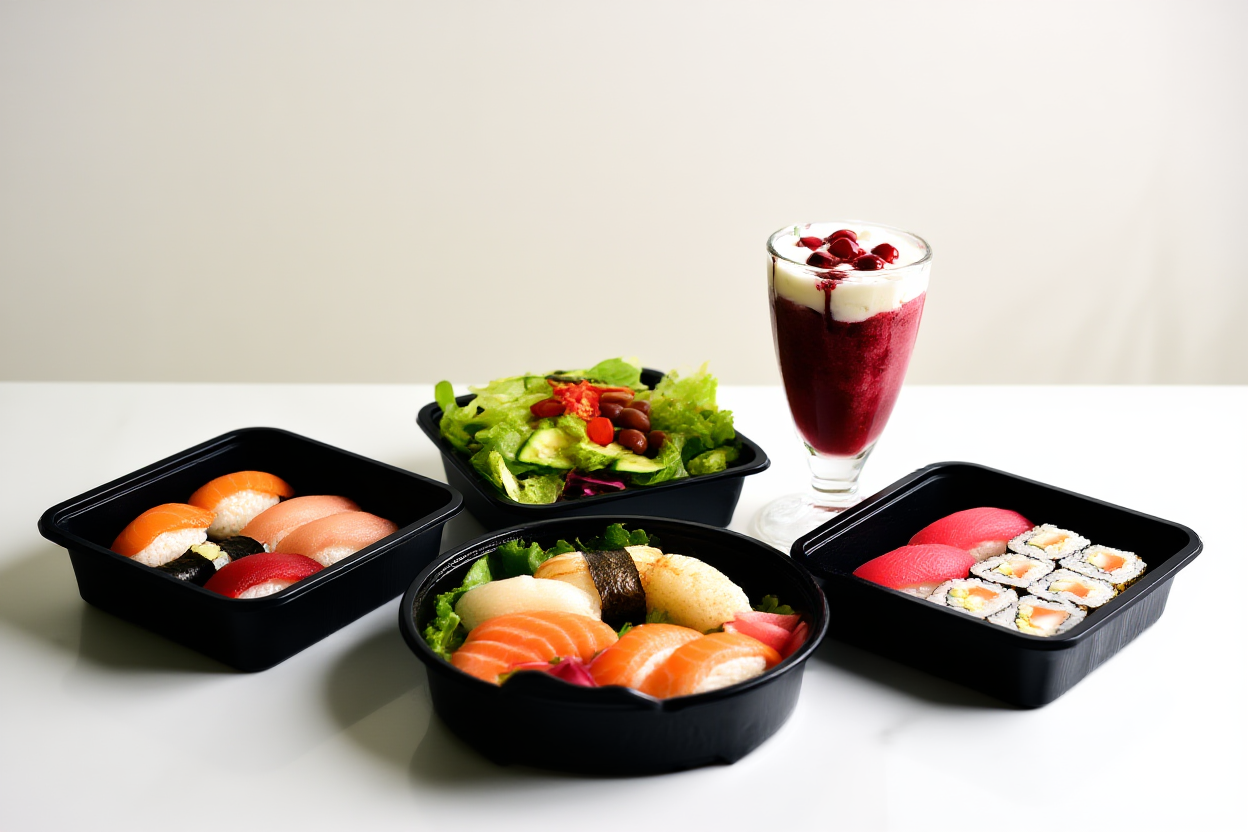
High-value keywords for food photography fall into distinct categories that align with buyer search patterns. The CyberStock keyword source identifies these clusters by analyzing volume and conversion data across Adobe Stock, Shutterstock, and Getty Images. Contributors should structure their metadata to cover dish type, dietary restriction, plating style, and culinary technique for maximum coverage.
The Best Concept Recognition feature ensures that keywords reflect the story behind the image rather than isolated objects. A photo of a chef chopping vegetables might generate "meal prep," "fresh ingredients," and "kitchen action" alongside technical terms. This depth helps buyers find assets for specific campaigns, such as health blogs or restaurant menus.
Contributors can verify keyword performance by checking the Selling Score (0-100) before uploading. Files with scores above 75 typically contain high-intent terms that align with current market demand. Regularly updating metadata based on seasonal shifts, such as "summer BBQ" or "holiday feast," keeps archives competitive throughout the year.
CyberStock Speed and Batch Processing for Food Archives

Speed is critical for contributors managing large food portfolios, and CyberStock generates keywords in ~1.3s per file, making it 6x faster than any other tool on the market. Competitors like PhotoTag.ai take approximately 8 seconds per file, while Pixify requires around 2.5 seconds. This efficiency gain allows photographers to process thousands of assets daily without bottlenecks.
The CyberBatch mode supports up to 1,000,000 files and applies consistent metadata generation across entire directories. Contributors can upload a folder of food images and let the engine apply optimized titles, descriptions, and keywords automatically. The batch processing maintains accuracy even at scale, ensuring no file is overlooked.
- Upload Archive: Drag and drop up to 1M food files into CyberBatch mode for instant ingestion.
- Analyze & Generate: The AI processes each file in ~1.3s using50M+ real buyer searchesas the source data.
- Review Selling Score: Check predictions to prioritize high-revenue files for immediate upload.
- Distribute via CyberPusher: One-click FTP/SFTP delivery to Adobe Stock and other agencies with zero commission.
The CyberBatch mode reduces manual workload by up to 90% compared to traditional keywording workflows. Contributors save hours on repetitive tasks while improving metadata quality through data-backed insights. The system also supports CSV and Excel export, allowing users to integrate generated keywords into existing management software.
Predicting Sales Before Upload with Selling Score

The Selling Score (0-100) feature predicts which food files will generate revenue before contributors upload them to stock agencies. This metric analyzes historical buyer behavior, current search volume, and competitive saturation to forecast performance accurately. Files with higher scores align closely with active commercial demand, helping photographers prioritize their best assets.
Contributors can use the Selling Score prediction feature to filter out low-performing images from their upload queue. By focusing on files with scores above 75, photographers maximize their chances of generating consistent sales. The system updates predictions dynamically as market trends shift, ensuring relevance year-round.
The CyberStock metadata engine combines Selling Score data with keyword optimization to create a comprehensive strategy for food photography. Files that score well typically contain high-intent terms like "authentic recipe" or "freshly baked." This dual approach ensures that metadata not only attracts clicks but also converts views into downloads.
Social proof from over 10,067 contributors validates the effectiveness of this system, with users reporting significant revenue growth after adopting data-backed keywording. The platform has facilitated $2.5M+ in earnings for its community, demonstrating the real-world impact of predictive metadata. Food photographers can leverage these insights to build a sustainable income stream from their archives.
Marketplace-Ready Metadata and Zero Rejection Rate
The Marketplace-Ready Metadata feature ensures every file matches current agency rules, resulting in a zero rejection rate upon upload. CyberStock validates keywords, titles, and descriptions against guidelines for Adobe Stock, Shutterstock, Dreamstime, Depositphotos, 123RF, Pond5, Freepik, Vecteezy, Envato, MotionElements, and Storyblocks. This compatibility eliminates manual adjustments and streamlines the distribution process.
The CyberPusher v2.0 tool enables one-click distribution to all supported agencies with full automation and a built-in CAPTCHA solver. Contributors can upload files once and let the system handle FTP/SFTP transfers, metadata application, and status tracking automatically. This workflow saves time while ensuring consistency across multiple marketplaces.
Food photographers benefit from zero commission fees on all uploads via CyberPusher, unlike Wirestock which charges 15-30% on sales. The platform retains the full revenue for contributors, maximizing profitability per download. With support for over 15 languages and API access, CyberStock accommodates global workflows and diverse contributor needs.
Competitor Analysis: Why Generic AI Fails Food Contributors

Generic AI tools often fail food contributors because they lack buyer data and advanced prediction metrics. PhotoTag.ai requires approximately 8 seconds per file, making it significantly slower than CyberStock's ~1.3s processing time. Similarly, Pixify takes around 2.5 seconds per file and offers limited batch capabilities compared to the million-file capacity of CyberBatch.
DeepMeta and Xpiks rely on manual desktop workflows or basic AI descriptions without concept recognition. These tools miss commercial nuances like dietary trends or plating styles that drive downloads on Adobe Stock. Wirestock provides automation but charges a 15-30% commission, reducing contributor earnings significantly over time.
CyberStock outperforms competitors by combining speed, buyer data, and zero-commission distribution in a single platform. The Best Concept Recognition algorithm identifies stories and intent rather than just listing objects, resulting in higher-quality metadata. Contributors who switch to CyberStock report faster processing times, better keyword relevance, and increased revenue due to accurate Selling Score predictions.
The platform's pricing structure further enhances value, with plans starting at $9/mo for 200 credits and top-ups that never expire. CyberStock pricing ensures affordability for solo photographers while scaling effectively for studios processing large archives. Users gain access to over 20 free tools, including keyword generators, dedupers, and metadata viewers, at no additional cost.
Pricing and Plans for Food Photographers

CyberStock offers transparent CyberStock pricing tailored to contributors of all sizes, from solo photographers to large studios. The Starter plan costs $9/mo for 200 credits, while the Pro plan provides 800 credits at $19/mo. The Studio tier delivers 3000 credits for $49/mo, and the Unlimited plan costs $79/mo for unrestricted access.
Top-up credits never expire, allowing contributors to purchase additional capacity when needed without penalty. A 1,000 credit top-up is available for $35, while bulk options include 60,000 credits for $189.98 and 120,000 credits for $349.98. This flexibility ensures that food photographers can manage their budgets effectively based on upload volume.
All plans include access to the full suite of features, including CyberStock generates keywords from buyer data, Selling Score predictions, and CyberPusher automation. New users receive 20 free credits with no credit card required, making it easy to test the platform before committing. The community of 10,067+ contributors has already tagged over 15M files using this system.
Contributors can explore detailed options via the CyberStock pricing plans page to select the tier that matches their workflow. The platform also offers a CSV formatter, EXIF/IPTC viewer, and image compressor as part of its 20+ free tools. Food photographers can leverage these resources to optimize metadata quality without increasing costs.
Frequently Asked Questions
How many keywords should I use for food photography on Adobe Stock?
Adobe Stock allows up to 50 keywords per file, and the CyberStock metadata engine generates optimized sets within this limit using50M+ real buyer searchesas the source. Contributors should prioritize high-intent terms over filler words to maximize search relevance. Some niche food categories may perform better with fewer, highly specific keywords rather than maximum volume.
Does CyberStock guarantee zero rejections for Adobe Stock uploads?
Yes, the Marketplace-Ready Metadata feature ensures every file matches current agency rules to achieve a zero rejection rate upon upload. The system validates keywords, titles, and descriptions against Adobe Stock guidelines automatically before distribution. This accuracy holds true even when processing large archives via CyberBatch mode.
How does the Selling Score predict sales for food images?
The Selling Score (0-100) analyzes historical buyer behavior and current market trends to forecast which food files will generate revenue before you upload them. A higher score indicates stronger alignment with active commercial demand in the stock photography sector. This metric helps contributors prioritize their best assets for immediate publication.
Can CyberStock handle batch processing for large food archives?
Absolutely, CyberBatch mode supports up to 1,000,000 files and processes them at a rate of ~1.3s per file, making it the fastest solution on the market. The tool applies consistent metadata generation across entire directories without manual intervention. Contributors can expect significant time savings when tagging thousands of food photos.
What is the cost advantage of CyberStock compared to competitors?
CyberStock offers transparent CyberStock pricing starting at $9/mo with no commission fees, whereas tools like Wirestock charge 15-30% on sales. The platform provides free top-ups that never expire and includes access to over 20 free metadata tools for all users. This structure ensures food photographers retain full revenue from their uploads.